
The Gold King of Iron Goddess
Wu Guang Yan
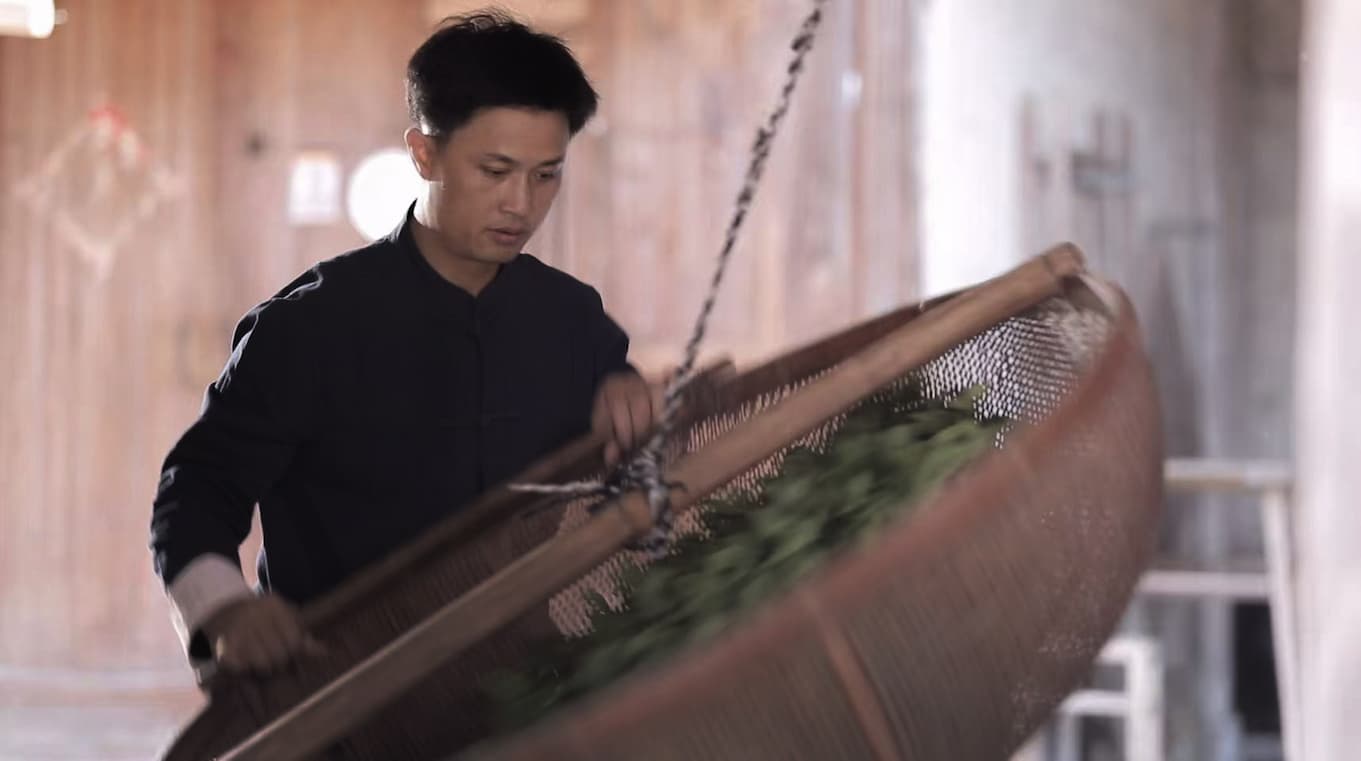
This week, we're introducing three new Tie Guan Yin oolongs from Wu Guang Yan, a tea master working in Anxi County, Fujian — the county where Tie Guan Yin was first cultivated nearly 300 years ago. Between 2012 and 2026, Wu Guang Yan has taken ten gold and ten silver medals across regional competitions, including three consecutive Gold Medal Tea King titles at the Anxi Tieguanyin Tea King Competition in 2024, 2025, and 2026 — a three-peat that no other producer in the region has matched in that span.
His three new teas encapsulate the full range of what Tie Guan Yin can be: one roasted, one fresh, and medium oxidized.
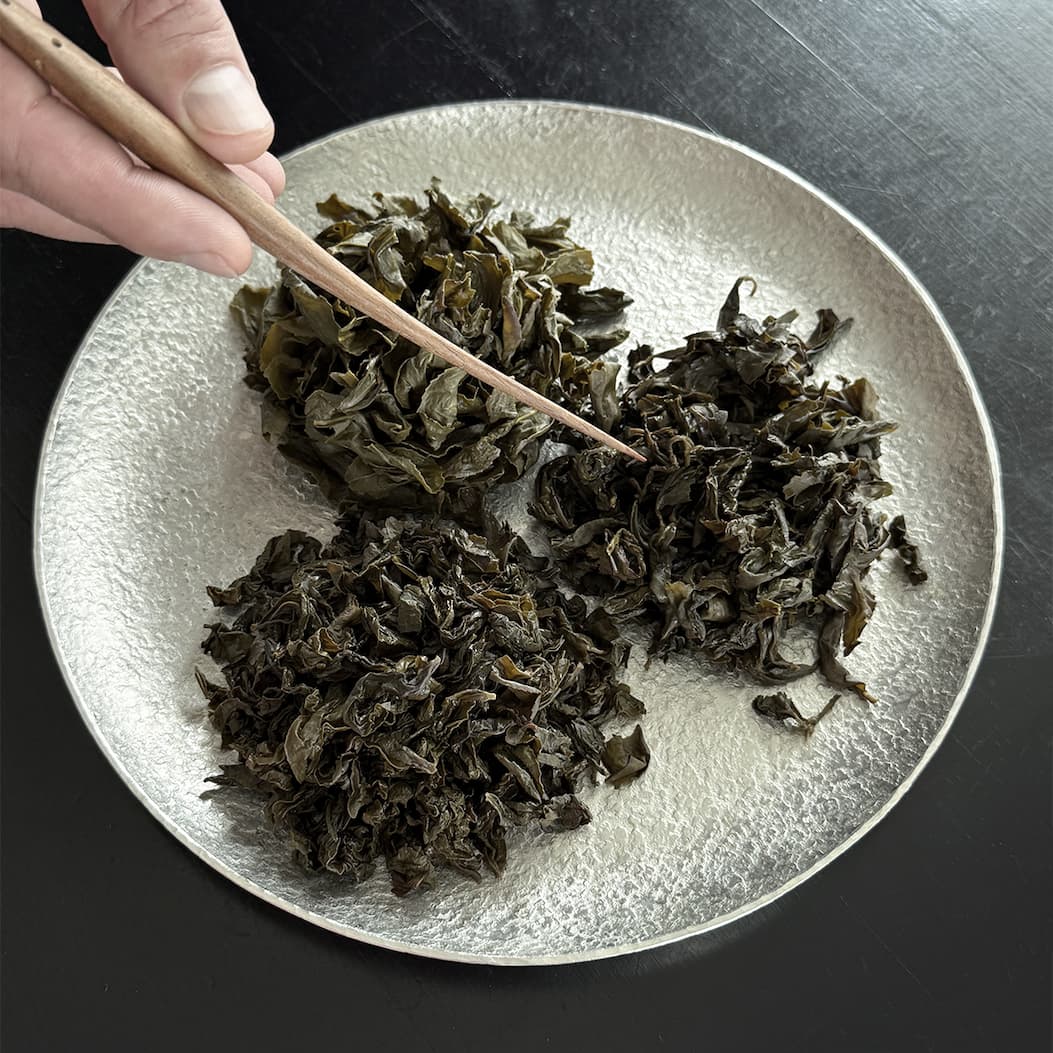 A tale of two styles: Zhen Nong Xiang vs. Qing Xiang
Until the 1990s, almost all Tie Guan Yin was made in the traditional Nong Xiang ("rich aroma") style — heavily oxidized and baked at high heat, as it had been for generations. Then a lighter, greener, Taiwan-influenced processing method called Qing Xiang ("fresh aroma") swept through Anxi and became the dominant export style almost overnight, prized for the kind of bright, perfumed floral notes that roasting mutes. The two styles now sit at opposite ends of the same cultivar, and Wu Guang Yan makes both:
Zhen Nong Xiang Xing Tie Guan Yin is baked at 120–180°C until the leaves turn dark and glossy, developing toasted-rice, caramel, and faint charcoal notes that define old-style Tieguanyin. Tea drinkers in Anxi describe what this process is chasing as "Yin Yun" — observer's resonance — a mineral, floral undertone in the aftertaste that's considered the signature of true Anxi-grown Tie Guan Yin and is notoriously hard to fake in tea grown outside the county.
Qing Xiang Xing Tie Guan Yin skips most of that oxidation and roasting, so the leaf stays a lively jade green and the cup a pale gold. Because it's barely roasted, it's also the more fragile of the two — it should be kept refrigerated and finished within the year, while the Nong Xiang style will hold at room temperature for considerably longer.
Brewed side by side, they read almost like two different teas grown an ocean apart rather than two processing styles of the same leaf.
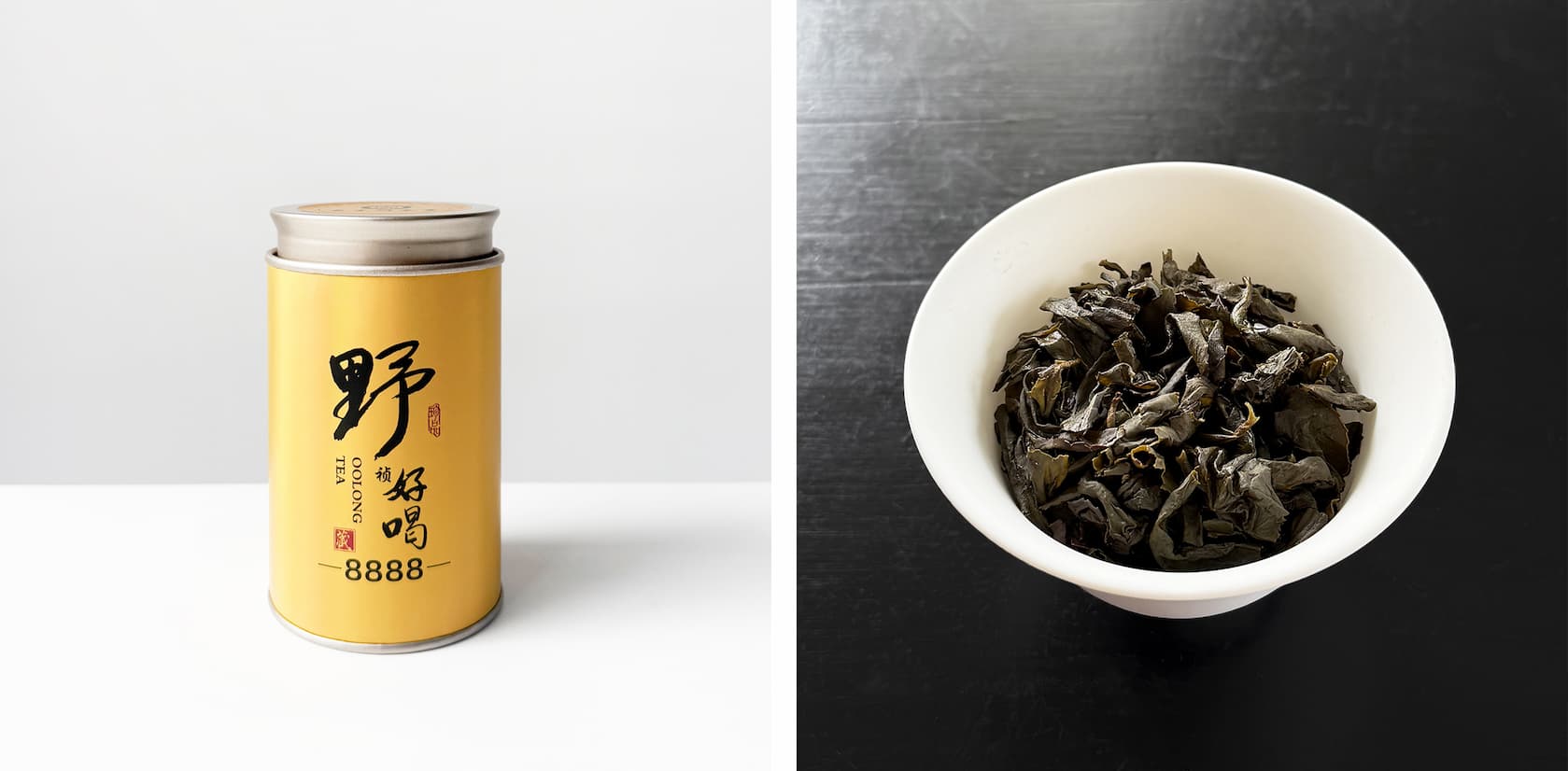
Ye Hao He 8888: availability is limited to forty cans for the year
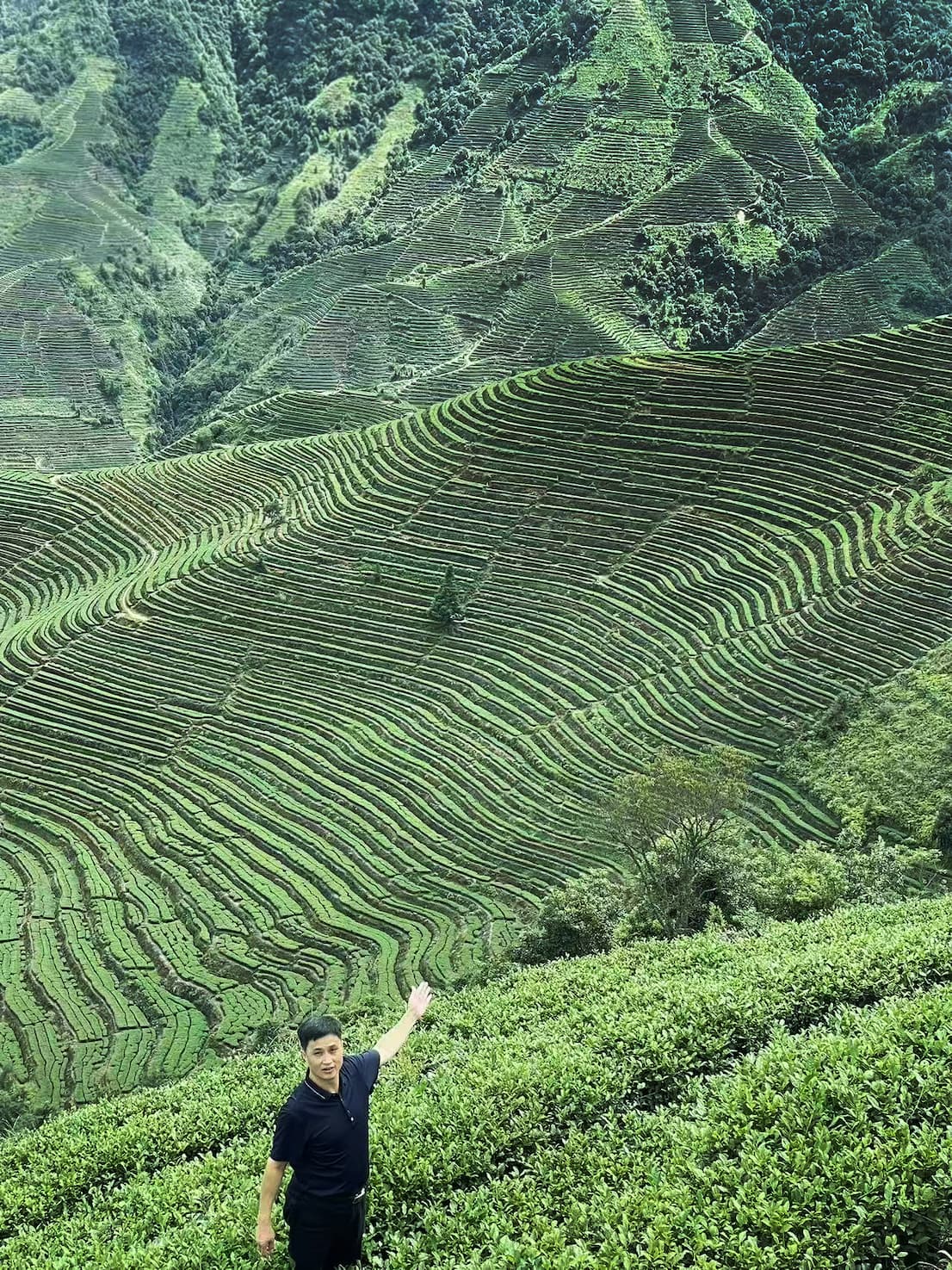
The rarest of the three, Ye Hao He Tie Guan Yin, comes from tea trees grown "ye fang" — left unpruned and unmanaged among native shrubs and grasses at 800 meters in Shimen Village, rather than kept in tidy cultivated rows. Anxi's tea soil in this pocket runs naturally high in selenium. The trees are picked once a year, during Guyu (Grain Rain) — the sixth of the 24 traditional solar terms, falling in late April, and the point at which Chinese farming calendars mark the last cold snap before the growing season turns fully warm. Only the youngest buds are taken, processed using a manual withering-and-shaking method dating to the 1980s that pushes oxidation further than either of the other two styles. Production is capped at 40 cans a year.
 Why Tie Guan Yin matters
Tie Guan Yin isn't just one of China's ten famous teas — it's also one of the most reused parent cultivars in modern Chinese oolong breeding. In the 1970s–90s, researchers at the Fujian Academy of Agricultural Sciences crossed Tie Guan Yin with another Anxi cultivar, Huang Dan, to create Jin Guan Yin (also known as Mingke No. 1) and Huang Guan Yin — both now registered national-grade clonal cultivars grown across Fujian. A later backcross of Huang Guan Yin produced Huang Mei Gui. A 2021 genome-sequencing study out of Fujian Agriculture and Forestry University, which mapped Tie Guan Yin's full genome alongside the evolutionary history of the tea plant, found this kind of gene flow between Anxi cultivars to be far more common than previously assumed — Tie Guan Yin's genetic fingerprint shows up across a number of the newer oolong varieties grown today, well beyond the teas that carry its name.
It's worth tasting these three side by side with that in mind: the cultivar in your cup has been quietly shaping the oolong category for half a century.
Tie Guan Yin